If you’ve ever snapped a drill bit halfway through a wooden shelf or watched metal shavings weld themselves to your workpiece, you know the frustration isn’t just about ruined materials—it’s wasted time, confidence, and cash. Choosing the right diy project drill bit wood metal combo is one of those make-or-break decisions that separates weekend warriors from workshop pros. In this guide, we’ll walk you through exactly how to pick, prep, and power through your next home improvement task without melting bits or your patience.
Table of Contents
- Why Drill Bit Choice Matters in DIY Projects
- Step-by-Step Guide to Using the Right Bits for Wood & Metal
- 5 Best Practices for Cleaner, Faster Drilling
- Real-World Results: From Garage Shelf to Galvanized Steel
- Frequently Asked Questions
Key Takeaways
- Not all drill bits handle both wood and metal—using the wrong type leads to breakage or poor finish.
- Cobalt and titanium-coated bits outperform standard HSS for metal; brad-point bits excel in wood.
- Speed, pressure, and lubrication dramatically affect performance—even with the right bit.
- Always match bit material to your workpiece to avoid costly rework or safety hazards.
Why Drill Bit Choice Matters in DIY Projects
In home improvement, especially under the Tools & Hardware sub-niche, a drill isn’t just a tool—it’s your primary problem-solver. But here’s the truth: the drill is only as good as the bit you chuck into it. I learned this the hard way when building a custom bike rack from reclaimed oak and steel pipe. Confident in my “universal” set, I started drilling into the pipe… only to hear that sickening *ping* as the bit shattered, sending hot metal fragments into my forearm (thankfully, safety glasses were on). That mistake cost me two hours, $40 in replacement bits, and a bruised ego.
According to the U.S. Consumer Product Safety Commission, over 33,000 injuries annually involve power drills—many due to improper accessory selection. Meanwhile, the Occupational Safety and Health Administration (OSHA) emphasizes matching cutting tools to material hardness to prevent binding and kickback.
Step-by-Step Guide to Using the Right Bits for Wood & Metal
1. Identify Your Material
Wood? Softwood like pine needs less aggressive bits than hardwoods like maple. Metal? Aluminum requires different treatment than stainless steel. Never assume “metal” means one thing.
2. Select the Correct Bit Type
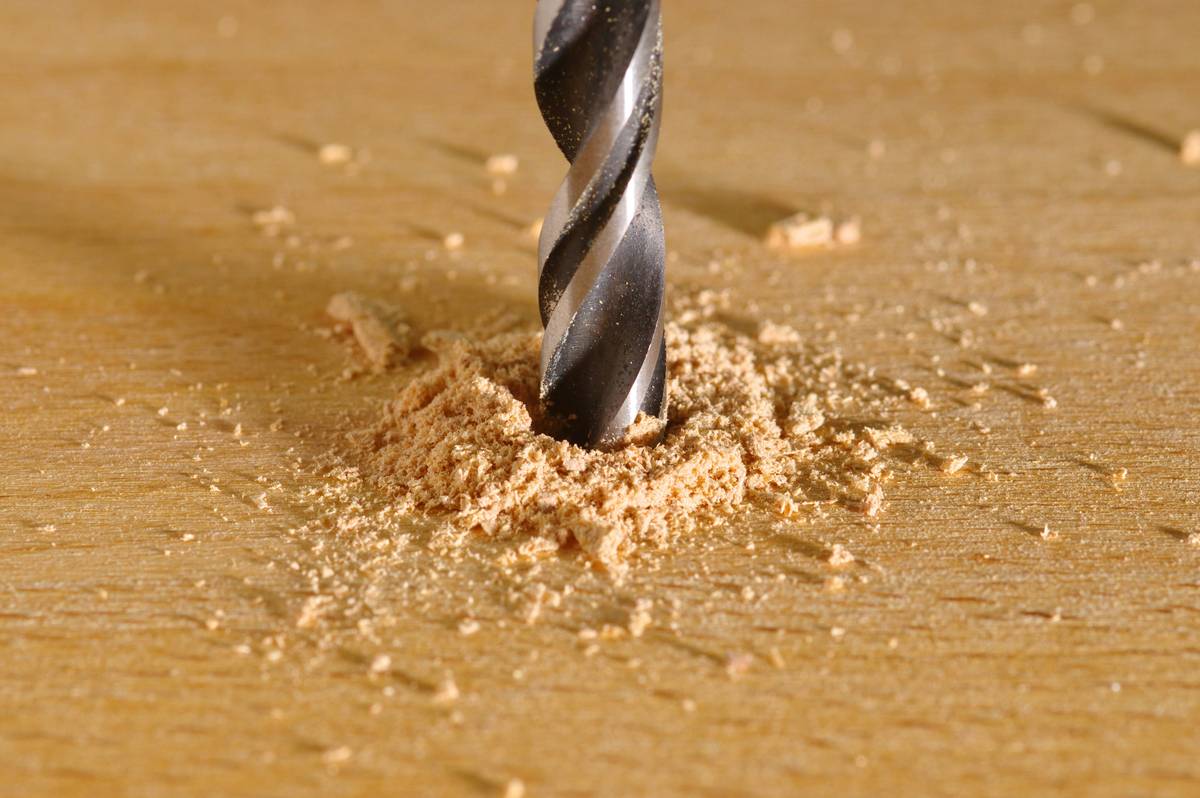
For wood: Brad-point bits prevent wandering and deliver clean entry holes. For metal: Use cobalt or titanium nitride-coated high-speed steel (HSS) bits—they resist heat better. Avoid using masonry or spade bits on metal; they’ll dull instantly.
3. Set Proper Speed & Pressure
Lower RPM for metal (500–1,500), higher for wood (1,500–3,000). Apply steady, moderate pressure—forcing it causes overheating. On thick steel, use cutting oil (even household motor oil works in a pinch).
4. Pilot Holes Save Everything
Drill a small pilot hole first, especially in hardwood or dense metals. This reduces torque strain and prevents splitting or bit deflection.
5 Best Practices for Cleaner, Faster Drilling
- Sharpen regularly: Dull bits burn wood and glaze metal. A bench grinder restores edge geometry in seconds.
- Use a center punch on metal: Prevents bit walking—critical for accuracy.
- Clear chips often: Let the flutes breathe. Clogged bits overheat and lose cutting efficiency.
- Store properly: Keep bits in labeled cases—not loose in drawers where edges nick.
- Never use “universal” sets blindly: That 20-piece kit might cover basics, but it won’t handle 1/2-inch stainless steel or end-grain hardwood cleanly.
Terrible tip alert: “Just crank up the speed to make it go faster.” Nope. Too fast on metal = instant annealing (softening the bit tip). You’ll destroy the bit and create unsafe conditions.
Real-World Results: From Garage Shelf to Galvanized Steel
Last summer, I built adjustable shelving using 3/4-inch birch plywood and 16-gauge galvanized brackets. My first attempt used cheap black oxide bits—smoke, chatter, and a melted hole in the metal. Switching to 135° cobalt bits (from a trusted supplier like Griggs Direct) changed everything. At 900 RPM with light oil, I drilled 20 clean holes in under 12 minutes—no burrs, no burning. The project finished smoothly, and the client (my skeptical neighbor) now asks me for hardware advice. That’s the power of the right diy project drill bit wood metal approach.
Industry data from the Wikipedia page on drill bits confirms cobalt alloys (like M35) retain hardness at temperatures exceeding 1,100°F—making them ideal for tough metals.
Frequently Asked Questions
Can one drill bit really work for both wood and metal?
Technically, yes—if it’s a high-quality HSS or cobalt bit—but results vary. For precision or heavy-duty tasks, always use material-specific bits.
Why do my drill bits keep breaking in metal?
Likely causes: excessive speed, insufficient lubrication, or using standard HSS bits on hardened steel. Switch to cobalt and reduce RPM.
What’s the best drill bit for hardwood like oak or maple?
Brad-point bits with sharp spurs give clean entry and minimal tear-out. Avoid twist bits unless pre-drilled.
How often should I replace drill bits?
When edges look rounded, chips don’t eject cleanly, or you need to apply unusual force. Quality bits last years with proper care.
Do I need special bits for treated lumber?
Not necessarily—but corrosion-resistant coatings (like black oxide or TiN) help extend life due to chemical additives in the wood.
Is it safe to use wood bits on thin sheet metal?
Avoid it. Wood bits have aggressive points that can grab and tear thin metal, causing injury. Use step bits or metal-specific bits instead.
Mastering your diy project drill bit wood metal game isn’t about owning every bit on the market—it’s about knowing which three will get 90% of your jobs done right. Ready to upgrade your toolkit with bits that won’t quit mid-project? Contact us for expert recommendations tailored to your next build. And if you’re curious about our standards and sourcing ethics, check out our About Us page—we’ve been in the hardware trenches since day one. For peace of mind on data handling, review our Privacy Policy.
Remember: A hole is just a hole—until it’s in the wrong place. Then it’s a story.